Policies Turning Reuse Into Everyday Convenience

Today we explore public policies that incentivize reuse and package-free shopping, turning good intentions into simple, rewarding habits. From deposit-return systems to right-to-refill rules, we look at how thoughtful regulations, infrastructure investments, and community programs can reduce waste, spark innovation, support local businesses, and make sustainable choices the easy default instead of a privileged exception.

Beyond the Bin: Rules That Shift Habits Without Sacrifice

Small, well-designed policy nudges can transform daily decisions faster than lecturing or guilt. When governments align convenience, price signals, and infrastructure, people happily return containers, bring bottles, and try refill stations. The magic lies in reducing friction and rewarding positive behavior, not blaming individuals. These approaches save money for cities, cut litter, and help businesses adapt, creating a shared framework where reuse feels modern, hygienic, and genuinely easier than throwaway habits.

Standardized Containers and Shared Washing Hubs
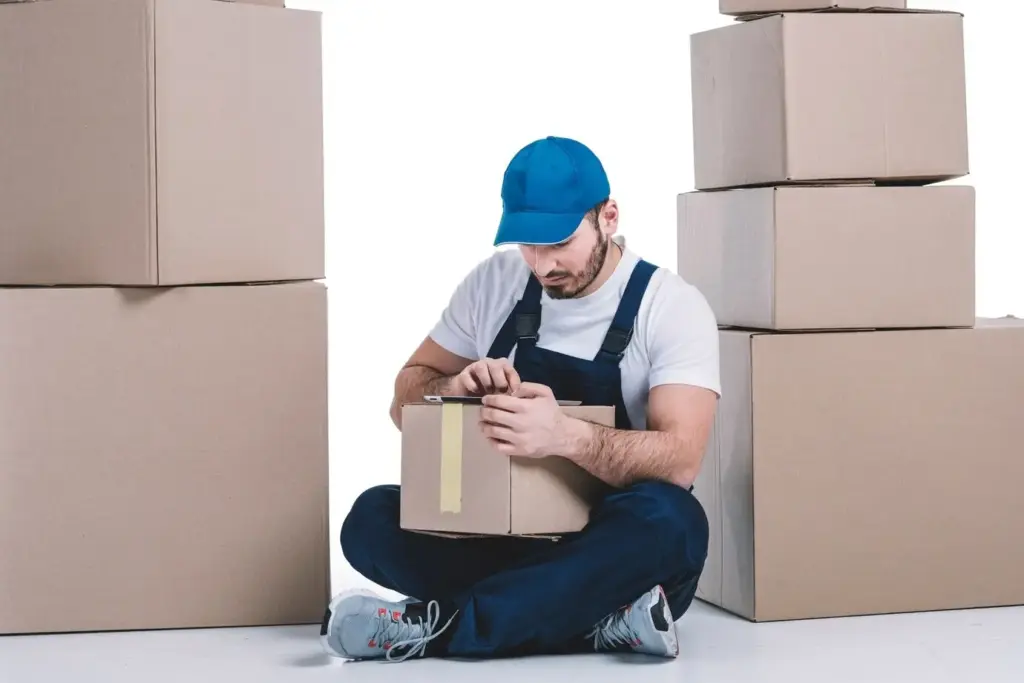
Mandating or incentivizing a few interoperable container formats unlocks economies of scale. Suddenly, restaurants can participate without purchasing bespoke inventory, and washing hubs can serve entire neighborhoods. With barcodes or RFID tags, assets circulate reliably, shrinkage drops, and hygiene verification becomes auditable. Public grants can de-risk early capital costs for washers, dryers, and tracking systems, ensuring small businesses join alongside large chains. Standardization is the quiet hero that makes reuse predictable and affordable for everyone.

Public Procurement as a Market Signal

When schools, hospitals, and government offices prioritize reusable service ware and package-free procurement, suppliers quickly adapt. Stable, long-term contracts justify investments in cleaning capacity, durable containers, and logistics. By publishing performance criteria—return rates, breakage thresholds, safety standards—public buyers elevate quality across the entire market. This is not symbolic; cafeterias and event venues become living showcases where staff, students, and visitors experience reuse daily, carrying new expectations back to neighborhoods and private workplaces.

Healthy, Fair, and Accessible for Everyone

Equity-Centered Incentives That Actually Help

Tiered deposit structures, fee waivers for low-income cardholders, and loyalty credits for frequent returners make participation affordable. Community depots near transit stops offer flexible hours and multilingual support. Microgrants help neighborhood shops adopt refill equipment without risking cash flow. Policymakers can require cash refund options to include the unbanked. These practical choices keep benefits tangible, preventing reuse from becoming an exclusive lifestyle and instead establishing it as a mainstream, money-saving convenience across diverse communities.

Hygiene Rules That Enable Confidence and Safety

Modern health codes can clarify container cleanliness responsibilities, specify acceptable materials, and outline simple visual inspection steps. With standardized procedures, employees are trained to prevent cross-contamination while respecting customer choices. Sealed return bins, color-coded stations, and automated washers add layers of assurance. Clear signage helps customers understand the process and trust it. By focusing on evidence-based practices instead of vague prohibitions, policymakers nurture systems that protect public health while unlocking refill confidence in everyday settings.

Reaching Rural Areas and Supporting Small Business

Rural delivery routes can host periodic pickup of reusable containers when synchronized with mail or grocery logistics. Cooperative washing hubs serve multiple towns, sharing costs. Small businesses receive technical assistance, template policies, and pooled purchasing options for standardized packaging. Grants can cover starter kits, while tax incentives reward documented return rates. By recognizing different densities and travel times, regulations can remain flexible yet ambitious, ensuring reuse thrives not only on urban corners but along country roads and village squares.

Measuring Progress That People Can Feel

Good policy is accountable policy. Metrics should track avoided single-use items, return rates, refill volumes, litter reductions, contamination incidents, health compliance, and customer satisfaction—not just recycling tonnage. Transparent dashboards build trust and guide course corrections. Pair quantifiable results with lived experience: cleaner parks, fewer overflowing bins after festivals, and more reliable service for small shops. By celebrating milestones and learning from missteps, cities establish credible feedback loops that keep reuse improving year after year.
Measure how many disposables never needed to exist, not only what got collected. Track the lifespan of containers, washing energy intensity, delivery miles saved, and breakage rates. Monitor participation across income groups to ensure fairness. Report compliance audits and near-miss incidents honestly. These richer indicators reveal whether systems are actually durable, safe, and efficient, empowering policymakers to tune incentives precisely and buyers to choose partners that deliver consistent, public value over time.
Regulatory sandboxes allow startups and municipalities to test deposit levels, material choices, and tech features under supervision. Temporary waivers create controlled environments where data is gathered before scaling. Public sprint reviews share lessons openly, reducing repeat mistakes across regions. When pilots include independent evaluation and community feedback sessions, trust grows. Iteration is not indecision; it is disciplined learning that turns promising ideas into robust, replicable systems that vendors and residents are excited to adopt permanently.

Snapshots of Momentum from Around the World

Real stories show what is possible right now. Cities and countries are moving beyond pilots into everyday life, proving reuse can be convenient, clean, and cost-effective. When the public sector sets direction and the private sector builds services, communities benefit quickly. These examples are not perfect, but they demonstrate actionable paths forward that any region can adapt to its culture, density, and market realities without waiting for a mythical silver bullet.

Portland’s Reusable Cup Networks at Events

Portland’s festivals piloted standardized reusable cups with onsite washing and well-marked return bins, slashing event litter and cleanup costs. Vendors reported faster service once customers recognized the system. Deposits were small, refunds instant, and signage playful yet clear. The city’s role was coordination and permitting flexibility, allowing operators to test station layouts. The result: smiling volunteers, lighter trash bags, and attendees who began expecting reuse at concerts, not just farmers’ markets.

Seoul’s Delivery Containers and App Integration

Seoul has experimented with reusable containers for food delivery, integrating returns into popular apps and curbside kiosks. Couriers swap sealed containers at pickup, then customers scan for deposit refunds. Government incentives helped restaurants enroll, while strict hygiene protocols reassured diners. Early data showed high satisfaction when return locations were dense. By blending digital convenience with real-world infrastructure, the program reframed takeout from a guilty pleasure into a cleaner, smarter routine across bustling neighborhoods.

Your Turn: Move Policy from Paper to Daily Practice

Change accelerates when residents, businesses, and officials pull together. Ask for deposit-return expansion, right-to-refill clarity, standardized containers, and transparent metrics. Support local shops testing refill shelves and reusable takeout. Join pilots, complete surveys, and share stories that policymakers can use. Subscribe, comment, and tell us where you want reuse most—cafés, campuses, stadiums, or delivery apps—so we can channel energy into the next practical steps that make life simpler and streets cleaner.
Tepanupakoxaru
Privacy Overview

This website uses cookies so that we can provide you with the best user experience possible. Cookie information is stored in your browser and performs functions such as recognising you when you return to our website and helping our team to understand which sections of the website you find most interesting and useful.